




الدليل الأساسي للمضخات المقاومة للتآكل من الدرجة الكيميائية
في عالم المعالجة الكيميائية، ومعالجة المياه، والمستحضرات الصيدلانية، وتصنيع أشباه الموصلات الذي يتسم بالمتطلبات الشديدة، فإن التعامل الآمن والفعال مع السوائل العدوانية أمر بالغ الأهمية. سرعان ما تستسلم المضخات القياسية للتدهور، مما يؤدي إلى أعطال متكررة ووقت تعطل مكلف ومخاطر جسيمة على السلامة. وهنا يأتي دور المضخات المقاومة للتآكل من الدرجة الكيميائية. هذه المضخات، المصممة بمواد وتصميمات متخصصة، هي العمود الفقري لأي عملية تتعامل مع الوسائط المسببة للتآكل أو الكاشطة أو عالية النقاء.
ما هي المضخات المقاومة للتآكل من الدرجة الكيميائية؟
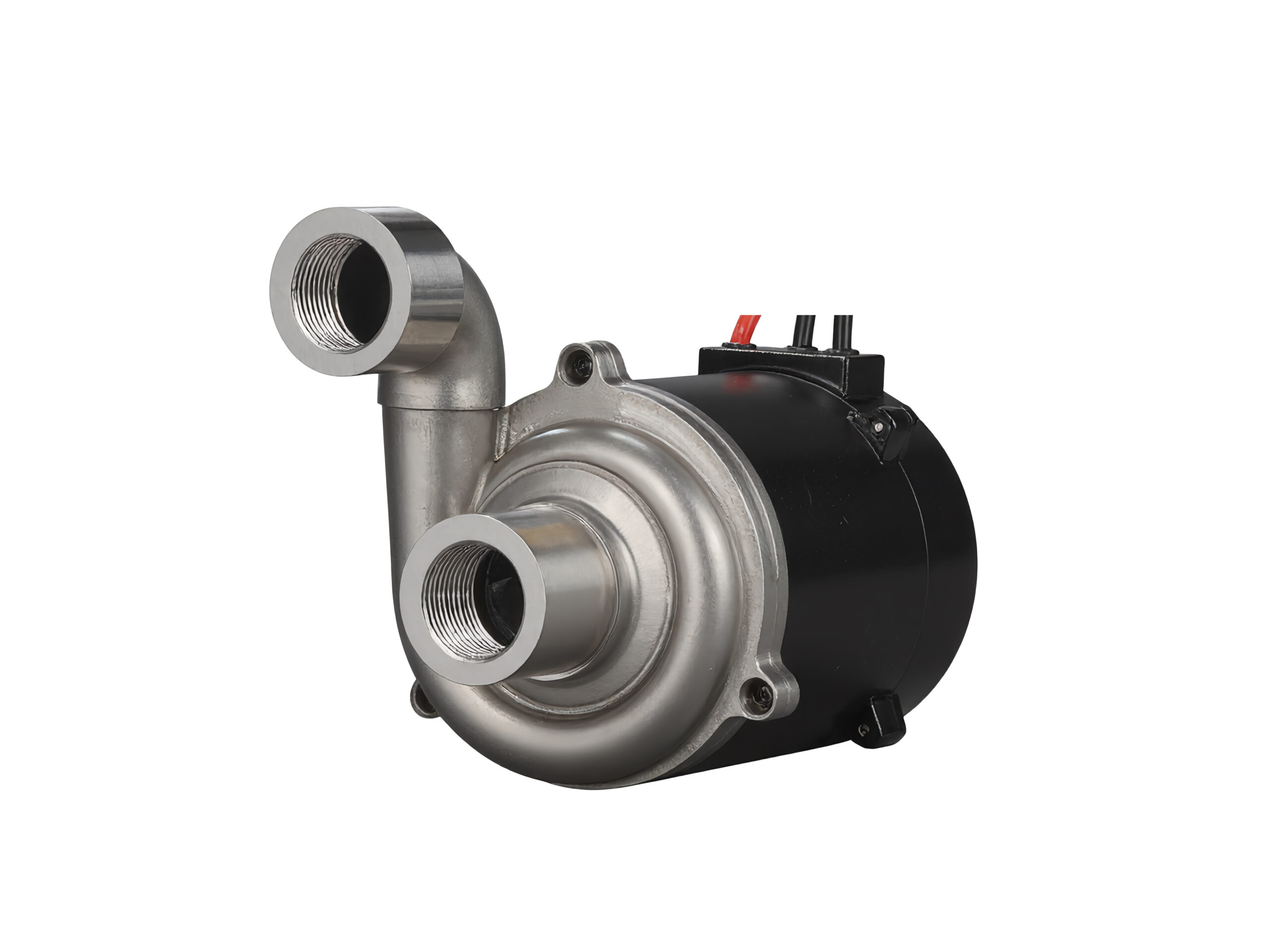
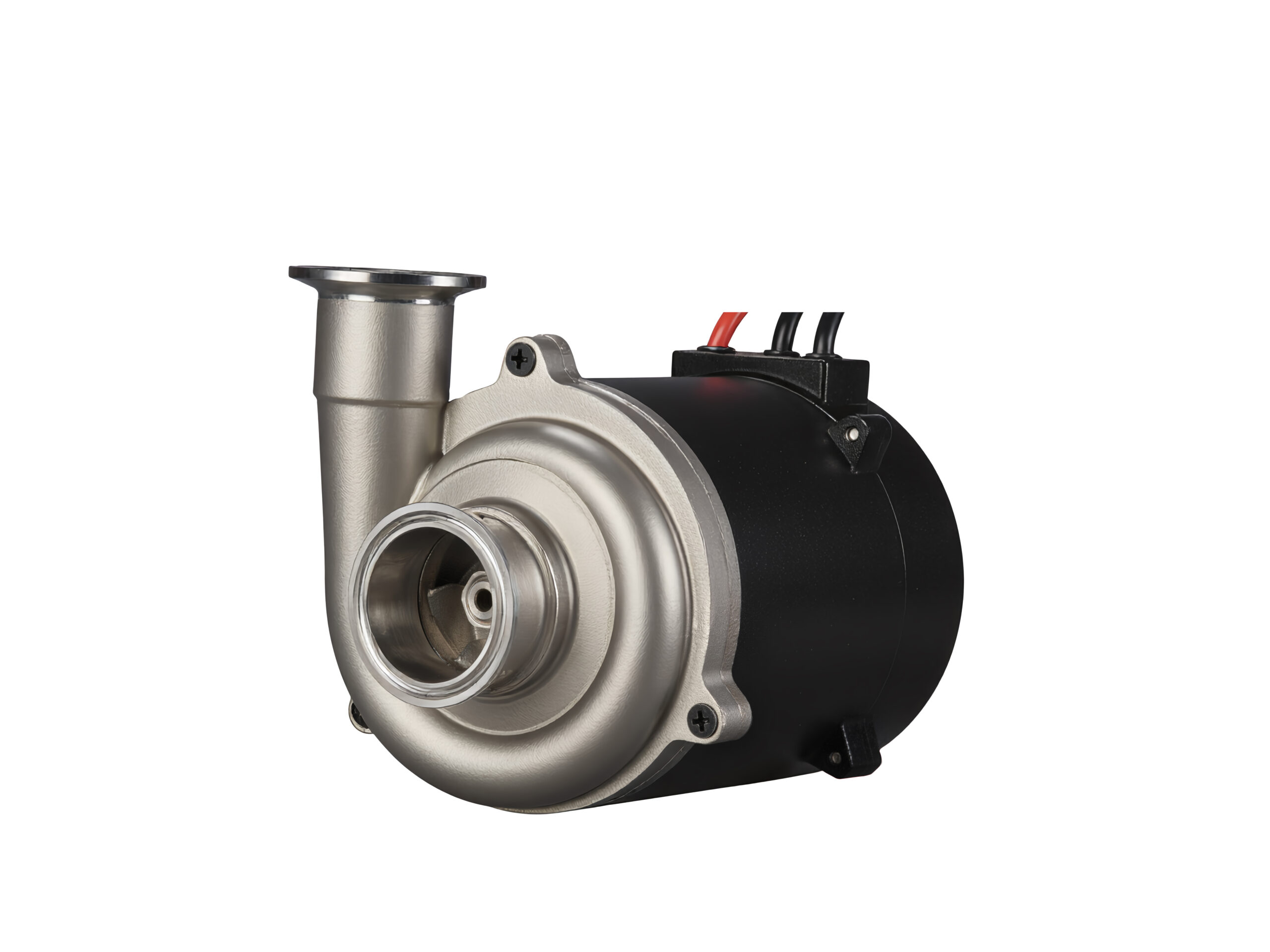
المضخات المقاومة للتآكل من الدرجة الكيميائية هي فئة من المضخات الصناعية المصممة خصيصًا للتعامل مع السوائل التي من شأنها أن تتلف المضخات المعدنية القياسية بسرعة. يشير مصطلح “الدرجة الكيميائية” إلى بنية تعطي الأولوية للتوافق مع مجموعة واسعة من الأحماض والمواد الكاوية والمذيبات والمواد الطينية. ويتمثل دفاعهم الأساسي في استخدام مواد غير تفاعلية أو خاملة للغاية في جميع الأجزاء المبللة - المكونات التي تتلامس مباشرة مع السائل.
المواد الرئيسية للبناء
اختيار المواد هو العامل الأكثر أهمية في مقاومة المضخة للتآكل. وتشمل المواد الشائعة ما يلي:
-
البلاستيك:
-
بولي بروبيلين (PP): اقتصادي ومقاوم لمجموعة كبيرة من الأحماض والقلويات في درجات حرارة معتدلة.
-
PVDF (فلوريد البوليفينيلدين متعدد الفلوريدات): مقاومة ممتازة للهالوجينات (مثل الكلور والبروم) والأحماض القوية والمذيبات العضوية. يمكن أن يتحمل درجات حرارة أعلى من PP.
-
PTFE (متعدد رباعي فلورو الإيثيلين/التفلون): توفر مقاومة شبه شاملة للمواد الكيميائية وغالباً ما تستخدم في الأختام والبطانات.
-
-
المعادن المتخصصة:
-
الفولاذ المقاوم للصدأ (SS 316): جيد للمواد الكيميائية الأقل عدوانية وحيثما تكون هناك حاجة إلى قوة هيكلية.
-
هاستيلوي® Hastelloy / سبيكة C-276: سبيكة فائقة من النيكل والموليبدينوم والكروم ذات مقاومة استثنائية للأكسدة وتقليل الوسائط المسببة للتآكل، بما في ذلك الكلور الرطب وهيبوكلوريت.
-
التيتانيوم: ممتاز للكلوريدات، بما في ذلك مياه البحر ومحاليل التبييض.
-
-
السيراميك: تستخدم للأكمام والمحامل ومانعات التسرب في التطبيقات شديدة الكشط والتآكل.
أنواع المضخات الشائعة للخدمة الكيميائية
تتطلب التطبيقات المختلفة تقنيات مضخات مختلفة:
-
مضخات الطرد المركزي: النوع الأكثر شيوعًا، وهو مثالي للسوائل منخفضة اللزوجة ومهام التدفق العالي. تعد إصدارات المحرك المغناطيسي (بدون قفل) شائعة لأنها تقضي على التسرب.
-
مضخات الحجاب الحاجز (AODD): ممتازة للعجائن والسوائل اللزجة والاستخدامات التي يكون فيها التشغيل الجاف ممكنًا. وهي ذاتية التحضير ويمكن خنقها بسهولة.
-
المضخات التمعجية: لا يلامس السائل سوى الخرطوم، مما يجعلها مثالية للعجائن الكاشطة وتجنب أي تلوث. كما أنها خالية من السوائل.
-
مضخات الفص: حركة ضخ لطيفة، مناسبة للسوائل الحساسة للقص، والمعلقات، والمنتجات عالية اللزوجة.
معايير الاختيار الحرجة
يتضمن اختيار المضخة المناسبة أكثر من مجرد توافق المواد. ضع في اعتبارك:
-
التركيب الكيميائي والتركيز الكيميائي: السائل الدقيق الذي يتم ضخه هو المحرك الأساسي لاختيار المواد.
-
درجة الحرارة: يمكن أن تؤدي درجات الحرارة المرتفعة إلى تسريع التآكل وإضعاف المكونات البلاستيكية.
-
المواد الكاشطة (الملاط): قد يتطلب وجود جسيمات صلبة مواد أكثر صلابة أو تصميمات مضخات محددة مثل المضخات الغشائية أو المضخات التمعجية.
-
معدل التدفق والضغط (الرأس): الأداء الهيدروليكي المطلوب.
-
تقنية الختم: اختر من بين موانع التسرب الميكانيكية (لتحقيق الكفاءة) أو التصميمات الخالية من الأختام (للاحتواء المطلق للسوائل الخطرة).
التطبيقات في مختلف الصناعات
-
المعالجة الكيميائية: نقل الأحماض والمواد الكاوية والمذيبات والمواد الكيميائية الوسيطة.
-
معالجة المياه ومياه الصرف الصحي: تحديد جرعات كلوريد الحديديك وهيبوكلوريت الصوديوم ومواد كيميائية أخرى للمعالجة.
-
المستحضرات الصيدلانية والتكنولوجيا الحيوية: مناولة المياه عالية النقاء، والمذيبات، وسوائل المعالجة العدوانية في ظل معايير صحية صارمة.
-
تشطيب المعادن والطلاء: تعميم الشوارد الكهربائية في حمامات الطلاء الكهربائي.
-
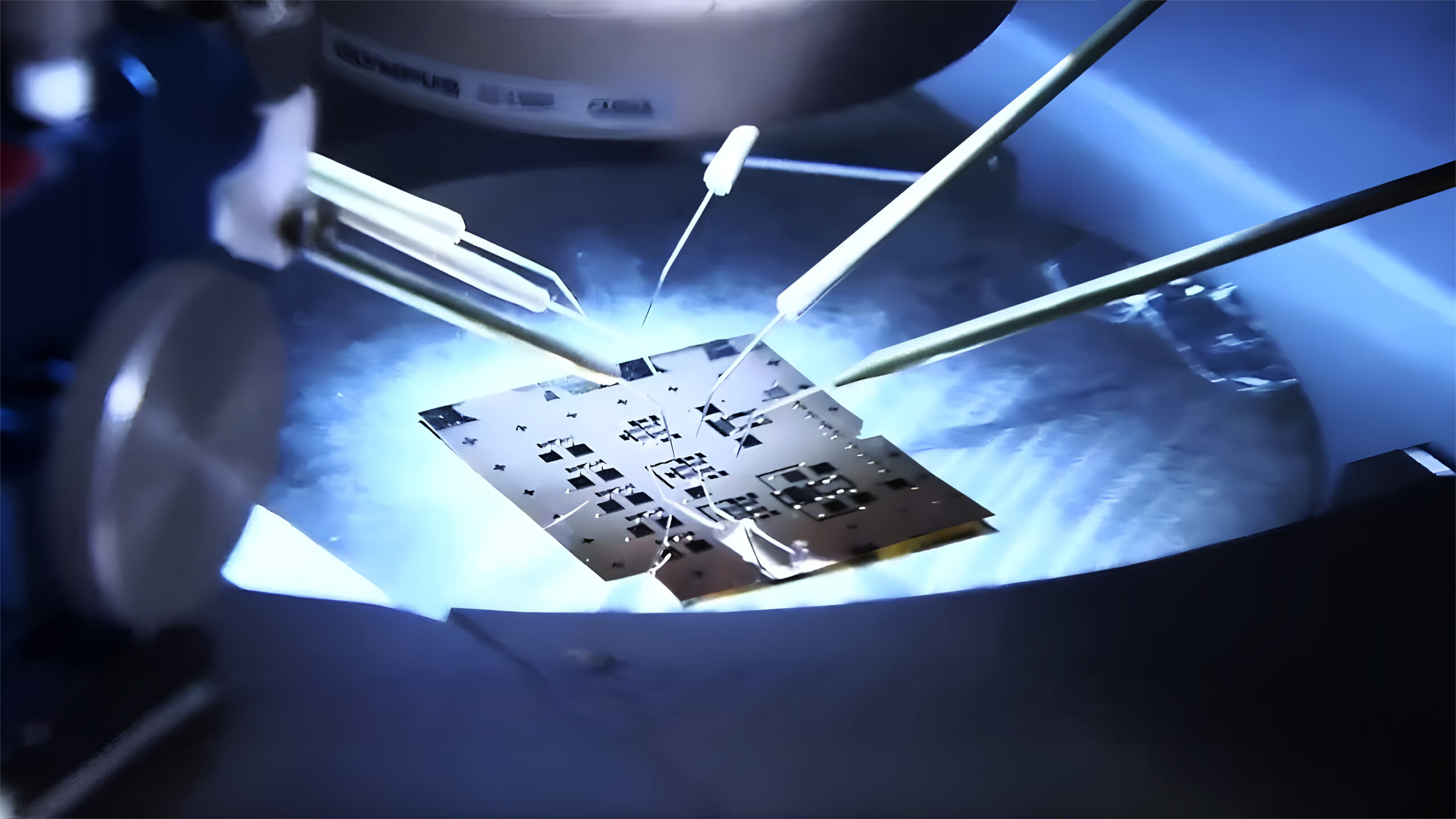
تصنيع أشباه الموصلات: نقل المياه فائقة النقاء والمواد المنقوشة والمنظفات القوية.
الخاتمة
إن الاستثمار في المضخة الصحيحة المقاومة للتآكل من الدرجة الكيميائية ليس نفقة؛ بل هو استثمار في الموثوقية التشغيلية والسلامة والتكلفة الإجمالية للملكية. من خلال مطابقة مواد بناء المضخة وتقنياتها بعناية مع التطبيق المحدد، يمكن للمهندسين ومديري المصانع ضمان حل قوي وخالٍ من التسرب وطويل الأمد للتعامل مع أكثر السوائل صعوبة.